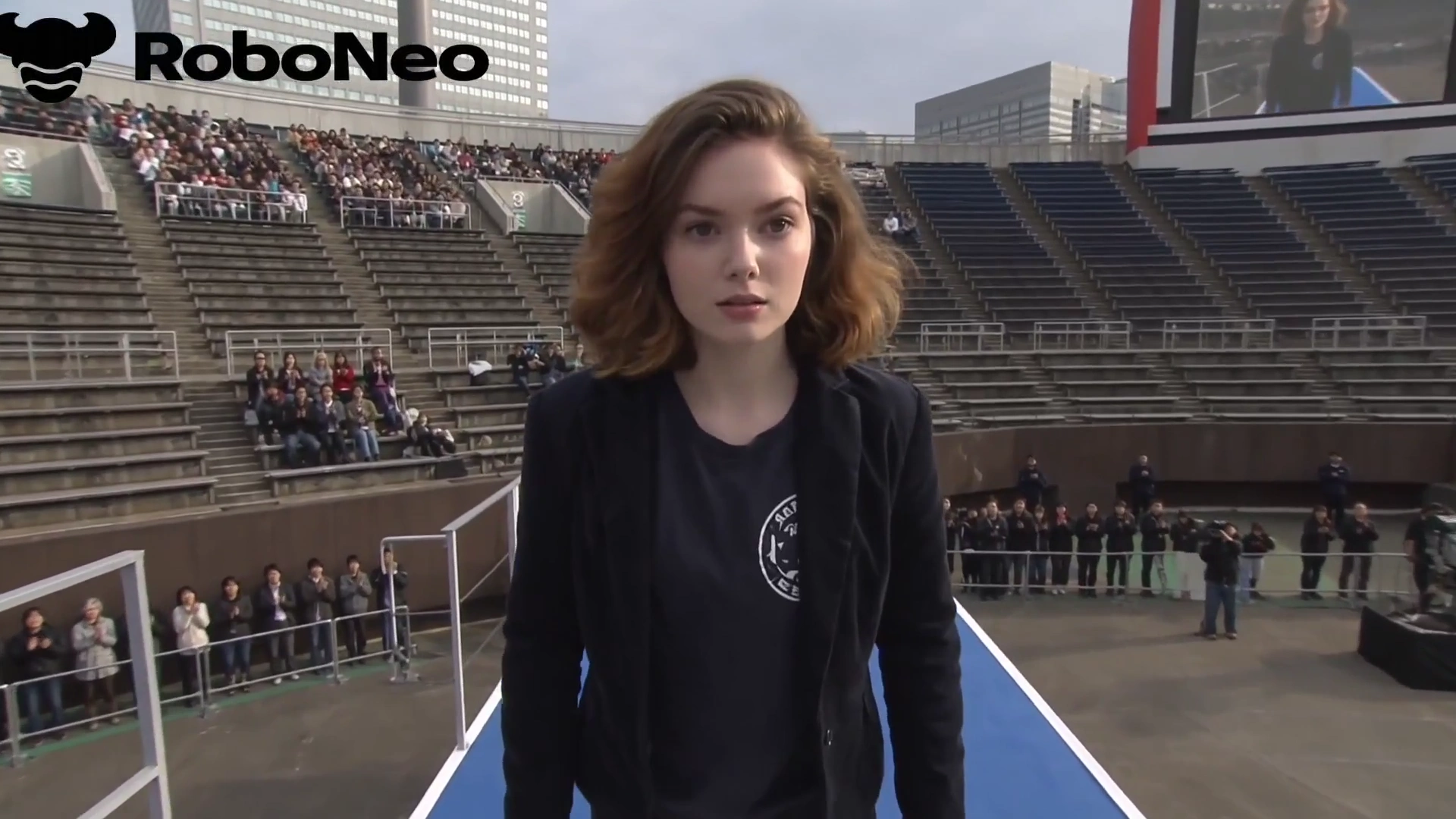
Agile Runner Tackles Shifting Roller Above Water in Retro Broadcast
With realistic camera work and a splashy finish, this 15-second clip revives classic sports entertainment.
Prompt
Create an authentic live-TV broadcast inspired by original Japanese sports-entertainment obstacle shows (2000s–early 2010s). Use realistic ENG, crane, long-lens, and ground-tracking broadcast cameras with natural zooms, pans, subject tracking, subtle handheld motion, early-HD softness, mild TV compression, realistic stadium lighting, audience reactions, and tense live competition coverage.
REFERENCE:
@Image 1 is the only identity reference. Preserve the exact same contestant throughout: facial identity, face shape, eyes, eyebrows, nose, lips, jawline, hairstyle, hair color, skin tone, age, petite slim body, and outfit. She is 156 cm tall with naturally compact proportions. Never make her taller or change her appearance. Hair and outfit become wet only after falling into the water.
SPATIAL CONTINUITY:
The contestant and the moving roller always travel screen left to screen right. Never mirror, reverse, teleport, or redesign the course. Keep lighting, water, spectator stands, obstacle positions, and movement continuous across every cut.
COURSE:
Starting platform → narrow alternating angled stepping platforms above open water → one large red free-moving rolling cylinder → fixed landing platform on screen right, slightly higher than the cylinder. All obstacles remain elevated above open water with visible gaps and fall distance. No wide decks, hidden supports, bridges, floors, tracks, or runways beneath the roller.
ROLLING CYLINDER:
The large red cylinder is not fixed to an axle. It continuously rotates and translates forward across the water. The contestant stays near its upper center, repeatedly stepping against the rotating surface to drive it forward. Both contestant and cylinder advance together toward the landing platform. Never show a stationary roller, fixed pipe, or crossing its short width.
0–2 sec — Introduction
ENG knee-up broadcast shot on the starting platform. She smiles, waves briefly, receives applause, then lowers her hand and focuses on the course. Subtle broadcast push-in. The elevated obstacle course and water remain visible behind her.
2–5 sec — Start
The buzzer sounds. High three-quarter crane shot shows the full course. Cut to a low tracking camera moving beside her as she runs across the narrow angled stepping platforms. Every step lands clearly before pushing to the next. Audience cheering grows louder.
5–8 sec — Roller Entry
Long-lens three-quarter side shot. She jumps onto the top of the large red rolling cylinder. It immediately rotates and rolls forward above open water as she runs in place to keep balance. Arms extend for stability. One foot slips briefly, creating a believable wobble and audience gasp. Keep her full body, the entire cylinder, water below, and landing platform visible.
8–11 sec — Roller Run
Side tracking shot follows both contestant and cylinder moving left to right. The cylinder keeps rotating and translating forward. She accelerates slightly while maintaining balance. Her right foot slips backward, her body sways, and both arms swing widely to recover. Show realistic shoe friction, gravity, and continuous contact. The landing platform approaches as commentary becomes more excited.
11–13 sec — Failed Jump
Low front three-quarter broadcast angle. The cylinder reaches the landing platform. She attempts a short upward jump toward the slightly higher platform, but her supporting foot slips backward on the rotating cylinder. She reaches forward but falls into the water without touching the platform. Keep the moving cylinder, gap, platform, and water visible in one shot.
13–15 sec — Splash
Wide broadcast shot captures the full elevated fall and one large realistic splash. Cut to a water-level medium shot. She resurfaces smiling with mild frustration, soaked but clearly recognizable as @Image 1. The audience applauds while the commentator enthusiastically concludes the attempt.
Published: August 6, 2026 by Anissa