Image ChatGPT Image 2
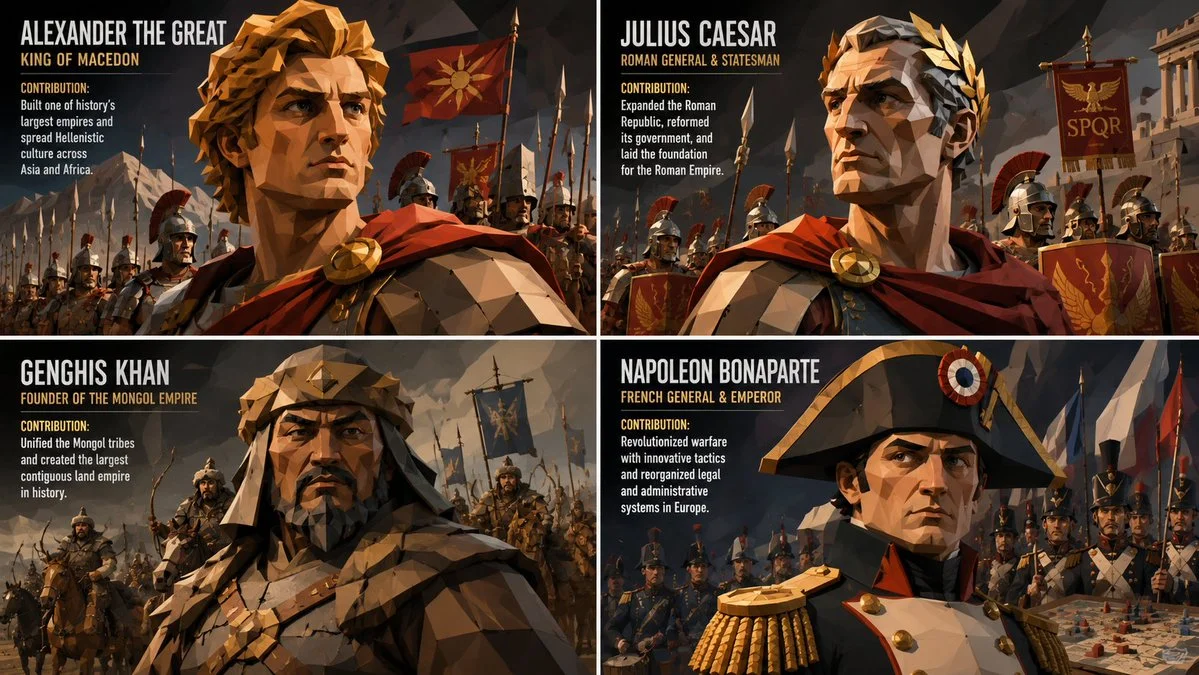
A faceted low-poly warrior stands ready in angular shadows
A stylized 3D animated warrior with geometric planes and matte surfaces, posed in dramatic indoor lighting with hard shadows.
Prompt
<your image> + Style = { <faceted_animated_action_cartoon> MEDIUM: Stylized 3D animated-film rendering with low-poly construction. GEOMETRY: Angular faceted forms, wedge-shaped volumes, sharp planar cuts, simplified blocky silhouettes. SURFACE: Matte painted materials with slight texture and minimal realism. SHADING: Hard-edged cel-like shadow planes, crisp light breaks, strong graphic contrast. COLOR: Desaturated cinematic palette with warm skin tones, off-whites, muted grays, dusty browns, deep reds, and dark charcoal accents. LIGHTING: Dramatic directional indoor lighting with strong shadows and controlled highlights. CAMERA: Cinematic close-up or medium close-up, slightly compressed perspective, expressive character-focused framing. BACKGROUND: Simplified angular set pieces, industrial panels, blocky props, muted depth, no excessive detail. </faceted_animated_action_cartoon> <transformation> - Convert the subject into simplified 3D animated geometry made from bold angular planes. - Replace smooth realistic anatomy or object curvature with faceted wedges, trapezoids, triangles, and block-like forms. - Simplify all fine details into large readable shapes, graphic cuts, and stylized planar surfaces. - Convert facial features, if present, into exaggerated geometric shapes with simple eyes, strong brow angles, wedge-like planes, and clear emotional expression. - Convert accessories, clothing, armor, tools, or props into chunky simplified forms with clean silhouette readability. - Replace photorealistic skin, fabric, metal, or surface texture with matte stylized painted materials. - Convert shadows into hard polygonal blocks rather than soft realistic shading. - Reduce background complexity into angular cinematic set design with broad panels, simplified props, and muted atmospheric depth. - Preserve the original subject identity, pose, and action, but reinterpret everything through sharp animated-film shape language. </transformation> <proportion> - Push focal features larger and more expressive than reality. - Use strong asymmetry in expressions, poses, and silhouette tension. - Keep heads, hands, tools, and major props bold and readable. - Favor broad heroic or theatrical staging over naturalistic proportion. - Use compact, graphic forms that read instantly at thumbnail size. </proportion> <rendering_rules> - Use flat planes of color with minimal gradients. - Keep edges crisp and firm. - Use subtle texture only as surface grain, not realism. - Let lighting carve the subject into clear polygonal facets. - Prioritize expression, shape, and cinematic readability over detail density. </rendering_rules> <finish> - Stylized low-poly animated action-cinema look. - Serious but slightly caricatured tone. - Matte surfaces, hard shadows, angular construction. - Expressive theatrical close-up energy. - Clean, readable, cinematic, and character-driven. </finish> <avoid> - Avoid photorealistic rendering. - Avoid anime line art. - Avoid glossy toy plastic unless specifically requested. - Avoid soft plush, clay, or handmade craft texture. - Avoid excessive pores, fabric weave, scratches, or tiny real-world detail. - Avoid smooth Pixar-like roundness; keep the design sharper, flatter, and more faceted. </avoid> }
Published: June 25, 2026 by Gadgetify